Our Mission
- To be the national leader in helping Bahamians make themselves, their loved ones and their neighborhoods safer from crime
Our Impact
Our Values
We are passionate about making a difference. Helping communities grow and succeed is at the heart of everything we do. But how we do it is just as important. We believe our neighborhoods and our world are best served when people of all ages and different backgrounds work together to share their time and talents.
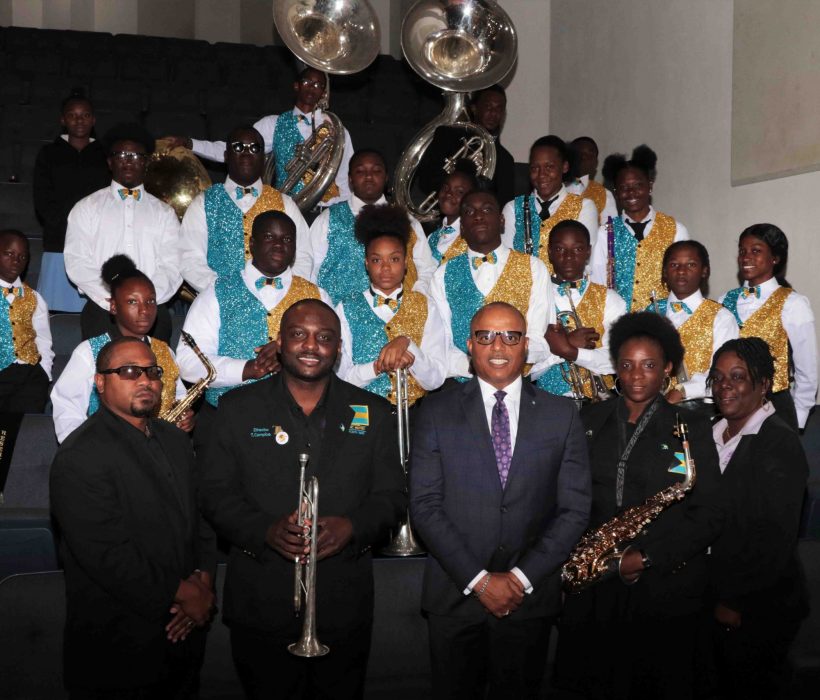
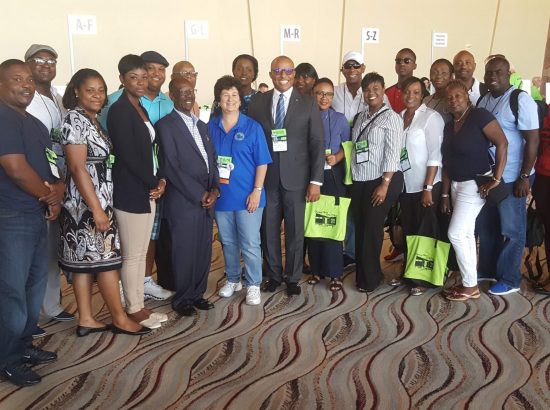
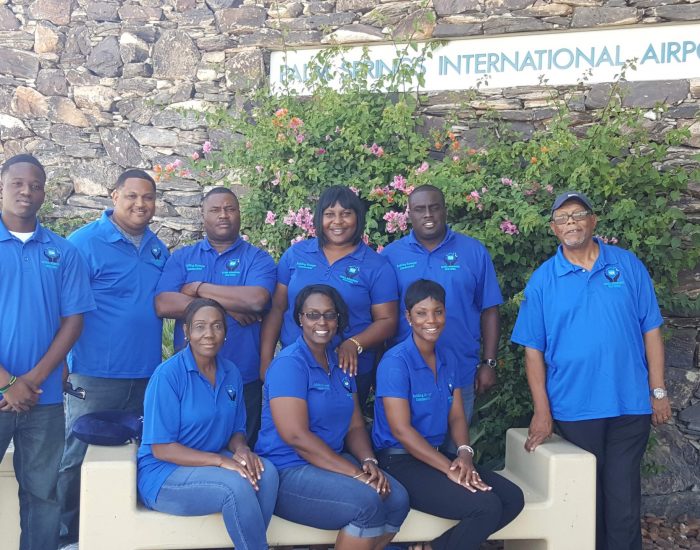
NNWC helps communities around the Bahamas. Local Watches look out for our communities and takes on large-scale challenges, such as recommending national response and initiatives to address challenges. We are generous with our time. We are creative with our ideas. We are passionate about making a difference. And we have fun along the way.
When you give a community chance to learn, experience, dream, grow, succeed and thrive, great things can happen.
NNWC Vision
Our Service
Service is at the heart of every Neighbourhood Watch, no matter where in the Bahamas it’s located. Members stage service projects and raise funds every year for communities, families and projects. By working together, members achieve what one person cannot accomplish alone.
Our Values


Our History
Our Structure
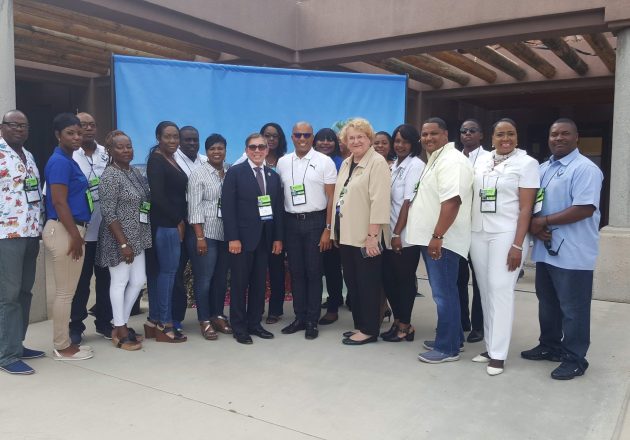
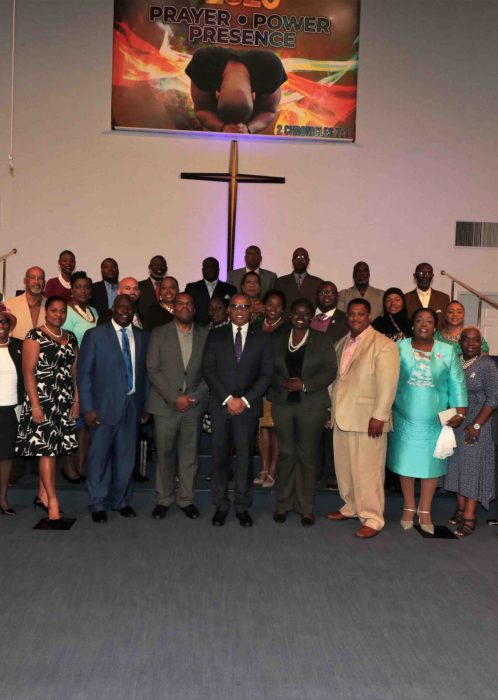
The leadership of NNWC includes a National Coordinator, Co-Chairpersons, Community Watch Presidents and civil society. Each police division has a Liaison Officer who provides logistical support to the crime watch groups within that particular division.
The Council is designed to provide evidence-based crime prevention support, and guidance, to existing neighborhood watch programmes. The Council will also facilitate the establishment and strengthening of new neighborhood watch programmes throughout the country.
This programme’s objective is also to bridge the gap between the police and the community, in partnership, to address crime-related issues affecting neighborhoods.
Frequently Asked Questions
In essence, Neighborhood Watch is a crime prevention program that stresses education and common sense (Stegenga 2000). It teaches citizens how to help themselves by identifying and reporting suspicious activity in their neighborhoods. In addition, it provides citizens with the opportunity to make their neighborhoods safer and improve the quality of life. Neighborhood Watch groups typically focus on observation and awareness as a means of preventing crime and employ strategies that range from simply promoting social interaction and “watching out for each other” to active patrols by groups of citizens (Yin, et al., 1976).
All Neighborhood Watches share one foundational idea: that bringing community members together to reestablish control of their neighborhoods promotes an increased quality of life and reduces the crime rate in that area. As Rosenbaum (1988) put it “. . . if social disorganization is the problem and if traditional agents of social control no longer are performing adequately, we need to find alternative ways to strengthen informal social control and to restore a ‘sense of neighborhood'”. That’s precisely what Neighborhood Watch strives to do. Collective action by residents has proved one of the most effective strategies.
The Council is a collective of Royal Bahamas Police Force (RBPF) representative, Neighborhood Watch presidents from around the Bahamas, civic and corporate Bahamas. The Council provides support to each other and new groups to fulfil its mission and support local engagement and crime prevention projects.
The National Neighborhood Watch Council (NNWC) is based on the idea that communities can work together to help prevent crime. Residents, working in partnership with the police and the Council, are able to take an active part in building community spirit and increasing neighbourliness.
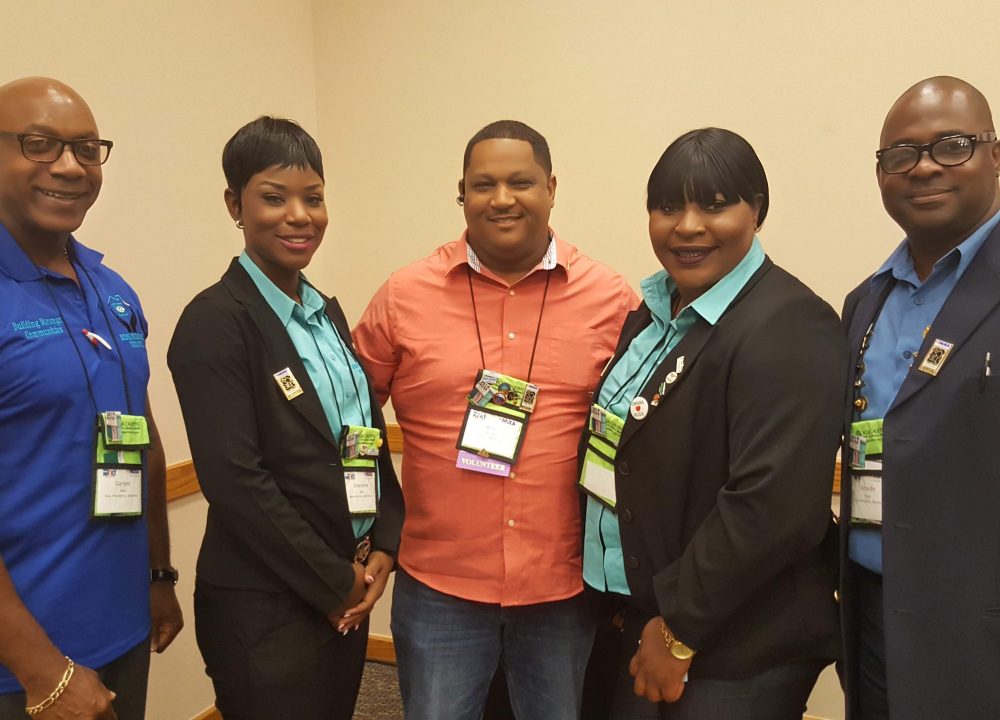
Presidents of Neighborhood Watches across the islands have membership at the Council. Civic organizations and corporate Bahamas, with similar vision and/or objectives are invited to be members of the council.
Crime fighting isn’t the only function that a Watch offers. The Council provides national reach to address communal challenges.
The Council’s mandate is training to effectively address community challenges strategically.
The Council Offers:
- Certification for practitioners.
- Ability to network across the islands.
- Discounted training at the regional and national levels.
It works.
The rationale behind crime prevention work is simple; prevention is better than cure. It is far better to stop an offence happening than having to put post-event resources into an investigation. More importantly, fewer crimes mean fewer victims.
Much academic study has gone into the reasons why a crime happens, some of it makes interesting reading. For everyday purposes however, it boils down to ‘if a motivated offender spots something of value which is not adequately secured, he may attempt to take it’.
Further, knowing there is always someone watching out for you gives one a sense of security. That sentiment epitomizes the meaning of Neighborhood Watch.
A motivated individual, a few concerned residents, a community organization, or our law enforcement agency can spearhead the efforts to establish a Watch. Together they can:
- Organize a small planning committee of neighbors to discuss needs, the level of interest, and the possible community problems.
- Contact the area police department, or the Council for help in training members in home security and reporting skills and for information on local crime patterns.
- Hold an initial meeting to gauge neighbors’ interest; establish the purpose of the program; and begin to identify issues that need to be addressed.
- Select a coordinator.
- Ask for block captain volunteers who are responsible for relaying information to the members.
- Recruit members, keeping up-to-date information on new residents and making special efforts to involve the elderly, working parents, and young people.
- Work with local agencies or business to put up Neighborhood Watch signs
Contact Us
+1 (242) 636-9773
+1 (242) 466-3305
NNWC Secretary
+1 (242) 448-5639
+1 (242) 467-7755
NNWC National Coordinator